 © 2023 / 2024 - QHIQ
Exploring the Quantum Nexus: The Fusion of Holography and AI.
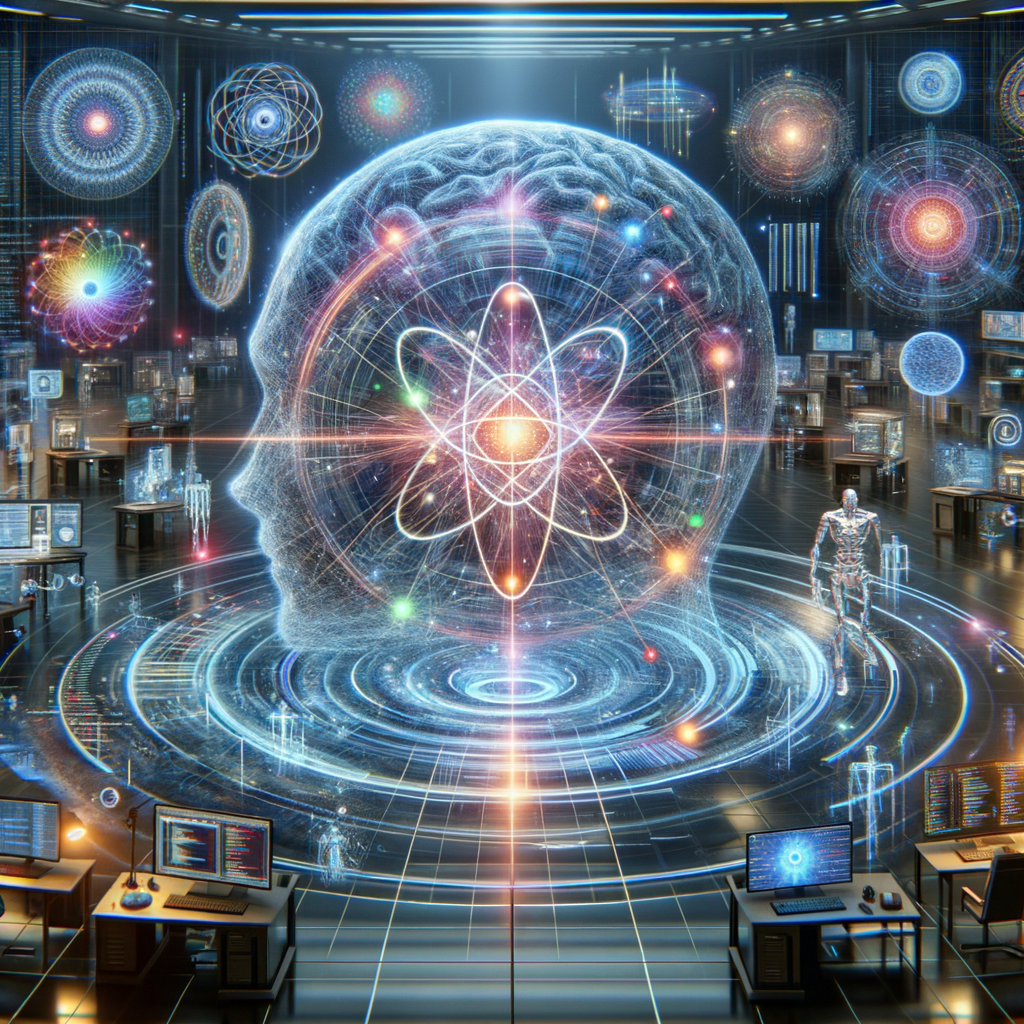
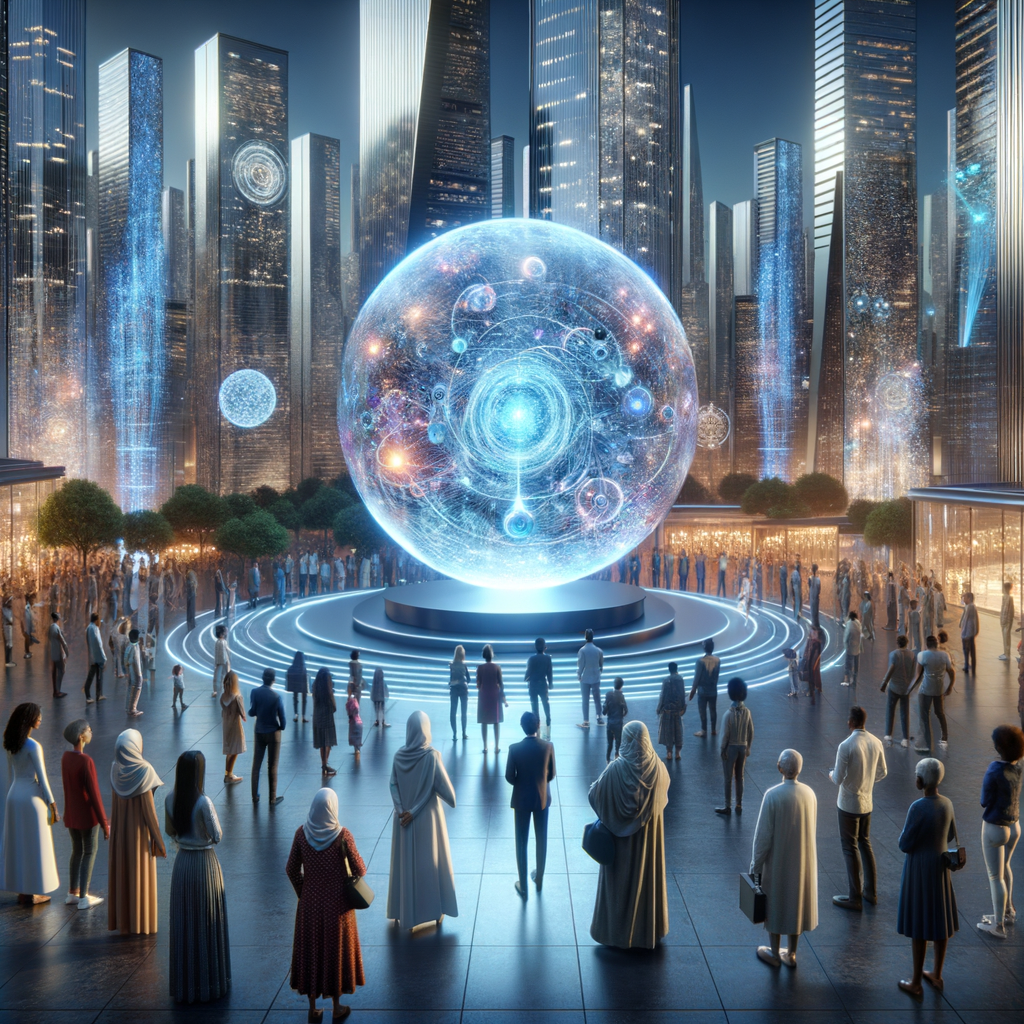
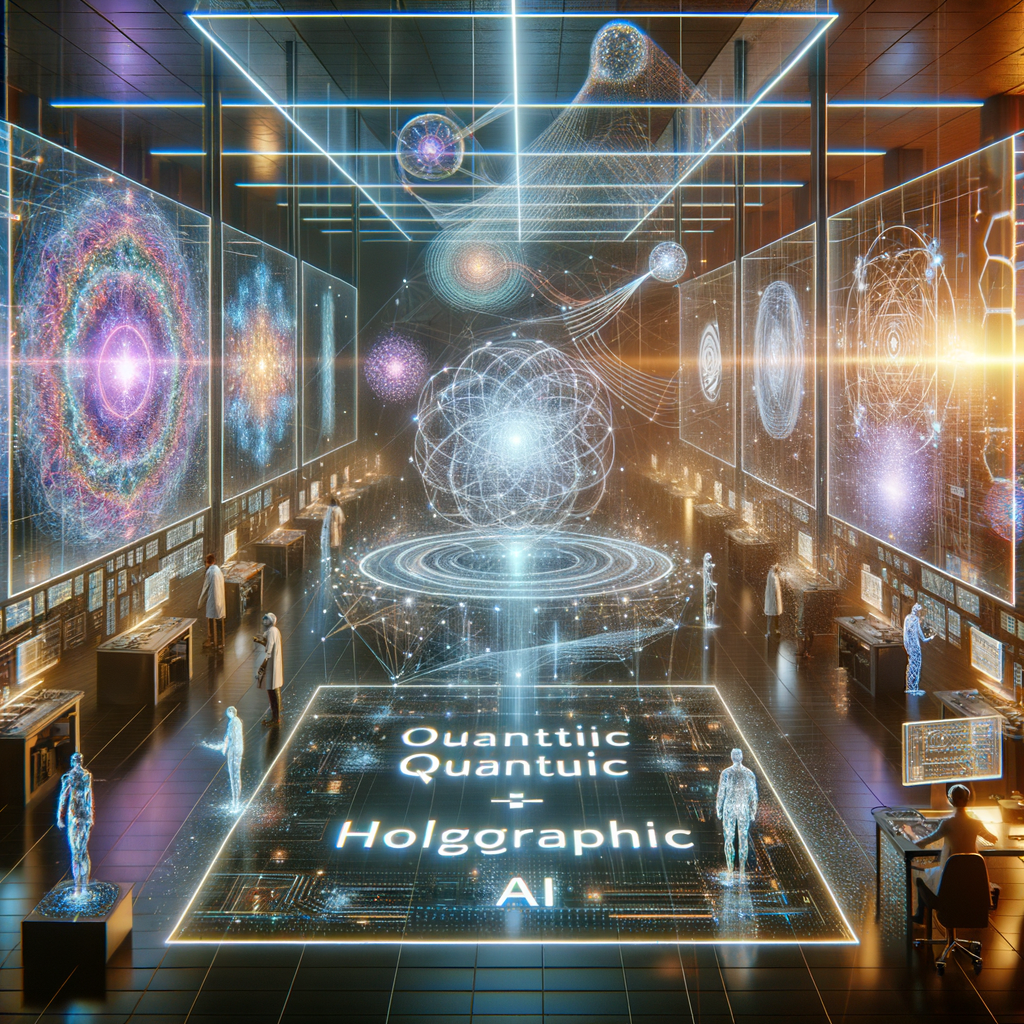
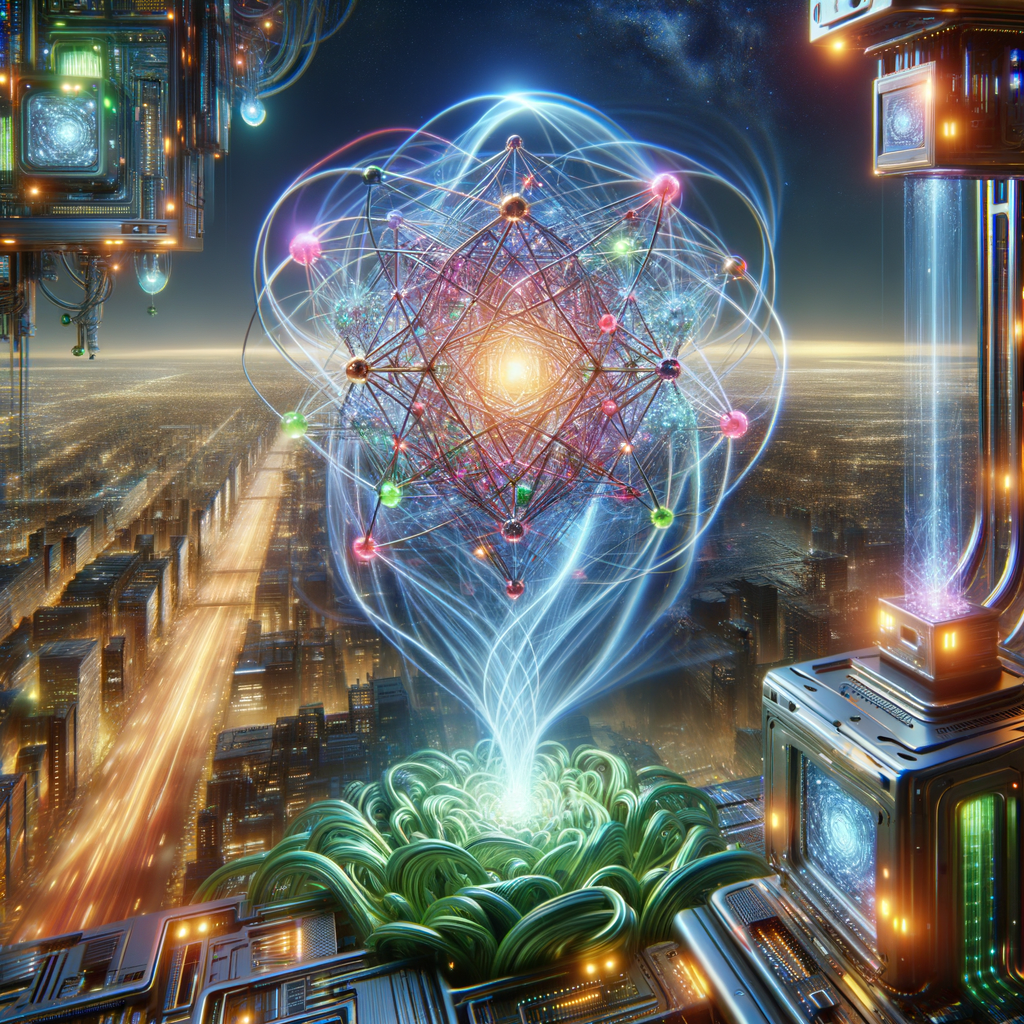
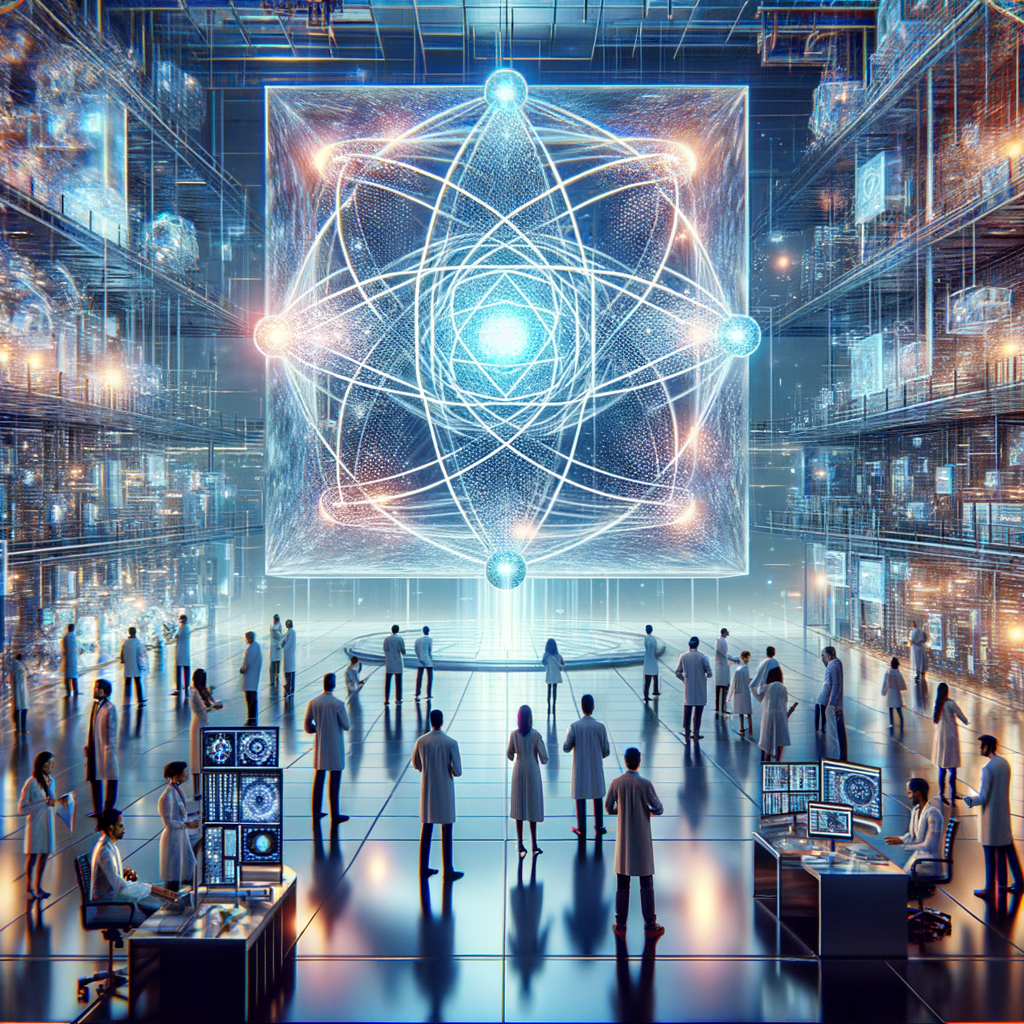
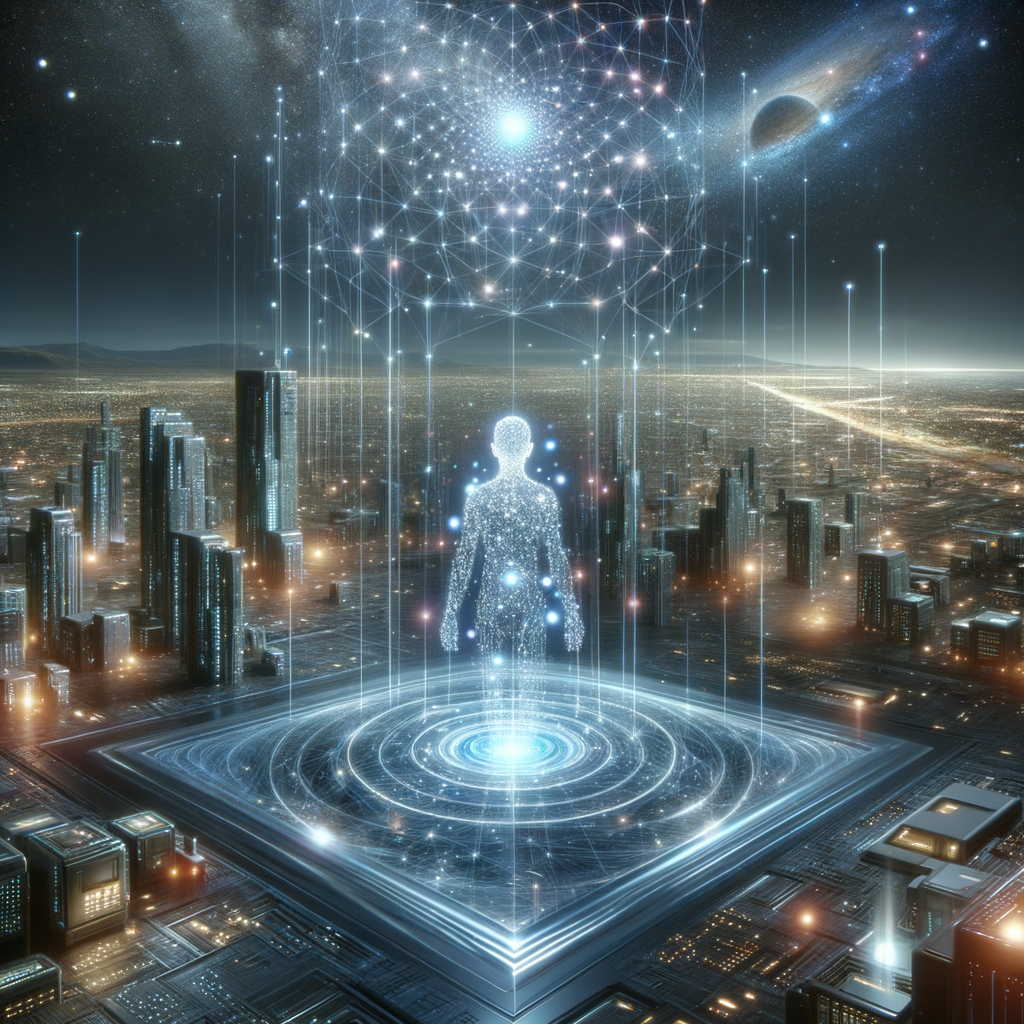
In the dynamic landscape of technology, quantic holographic artificial intelligence (QHAI) stands as a towering new frontier. This revolutionary field amalgamates the foundational principles of quantum mechanics with the intricate architectures of artificial intelligence, augmented by holographic data structures. At its core, QHAI seeks to transcend the classical paradigms of data processing by leveraging the probabilistic nature of quantum computing and the spatial encoding capabilities inherent in holography. By doing so, QHAI promises to achieve unprecedented levels of computational efficiency and data richness, unveiling novel pathways to solve highly complex problems that have long eluded traditional AI methodologies.
Harnessing Quantum Superposition: A Paradigm Shift in AI Architectures.
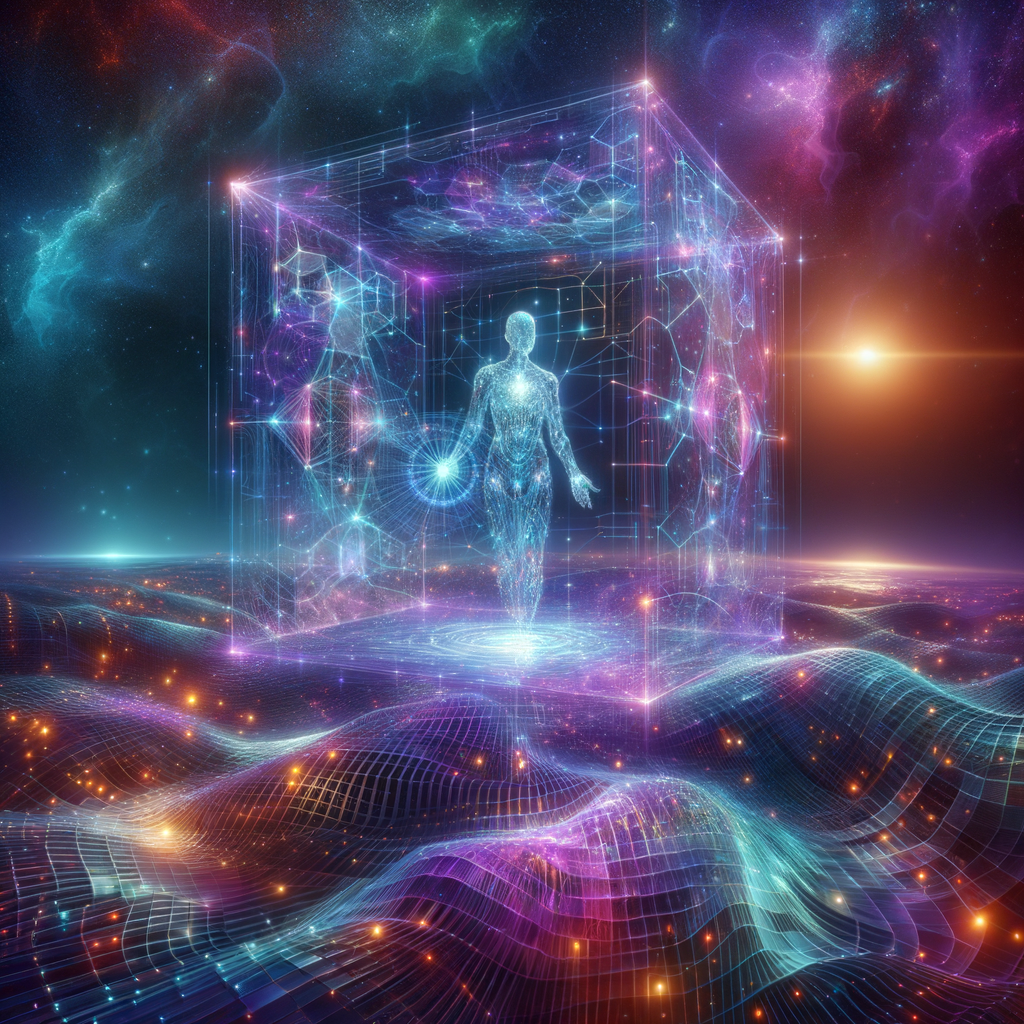
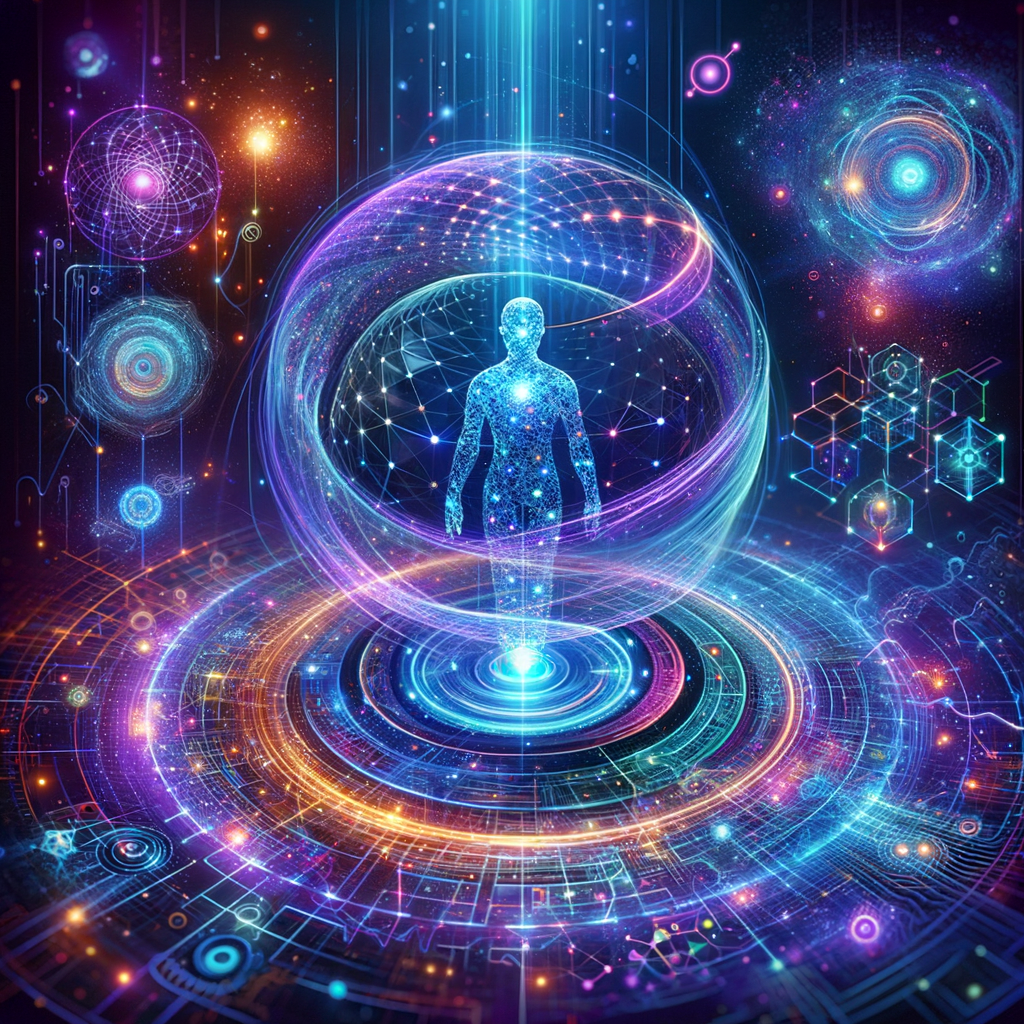
The key to QHAI's potential lies in its ability to implement quantum superposition and entanglement within AI models. This allows for simultaneous processing of multiple data inputs, enhancing both speed and scalability. Traditional AI models, constrained by binary logic, are often limited in their capacity to process vast datasets efficiently. Quantum AI, however, operates on qubits, which can exist in multiple states simultaneously. This provides a significant computational edge, as quantum neural networks can perform calculations in a fraction of the time required by classical systems.
def quantum_superposition(state_vector):
    # Initialize qubit states
    qubits = initialise_qubits(state_vector)
    # Apply Hadamard gate for superposition
    apply_hadamard(qubits)
    return measure_qubits(qubits)
The Holographic Spectrum: Visualizing Complex Data Through Holography.
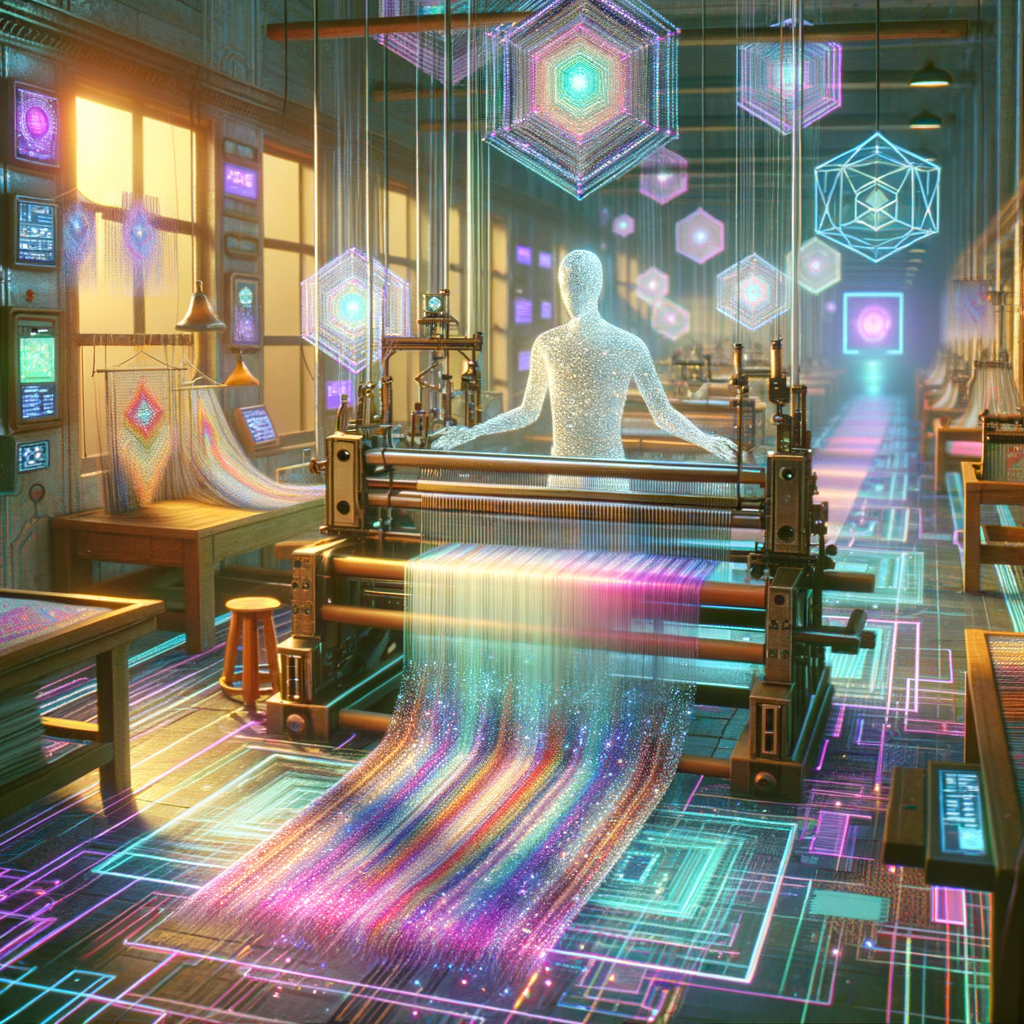
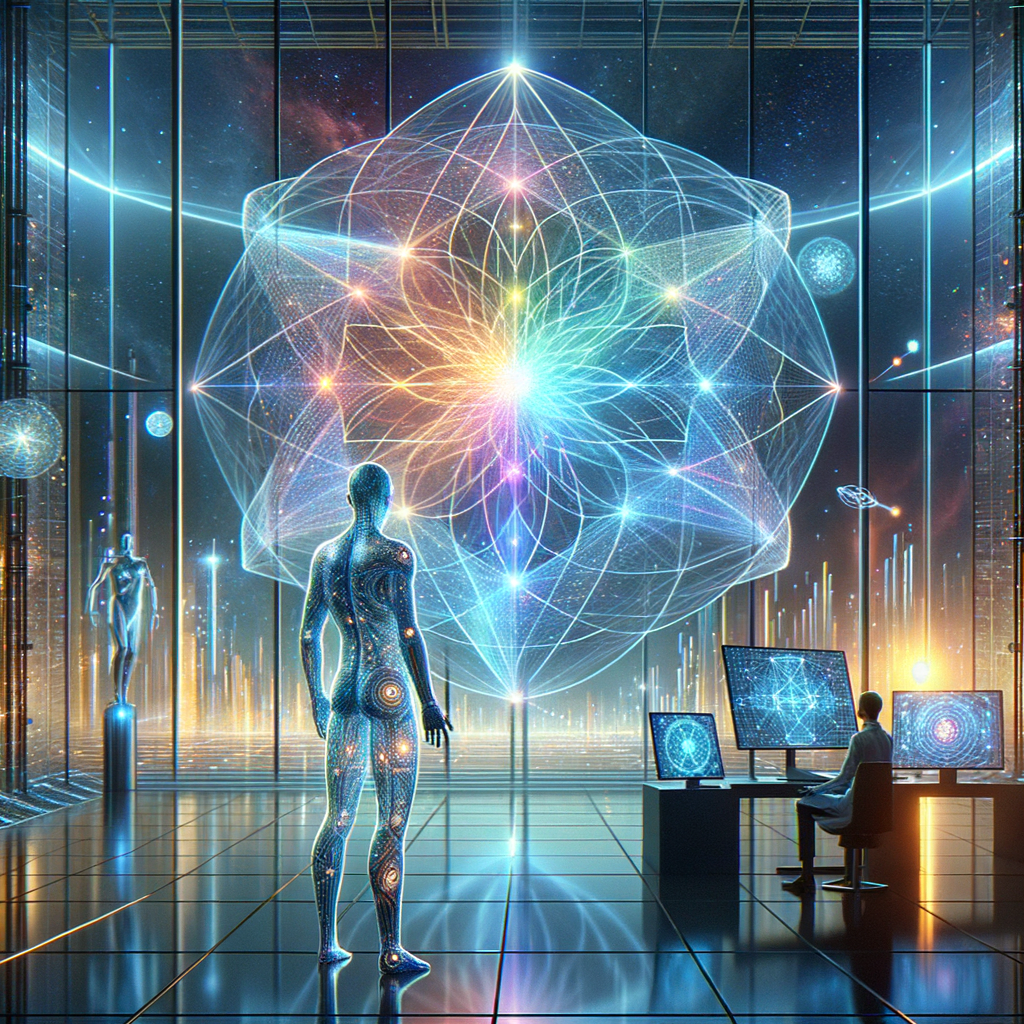
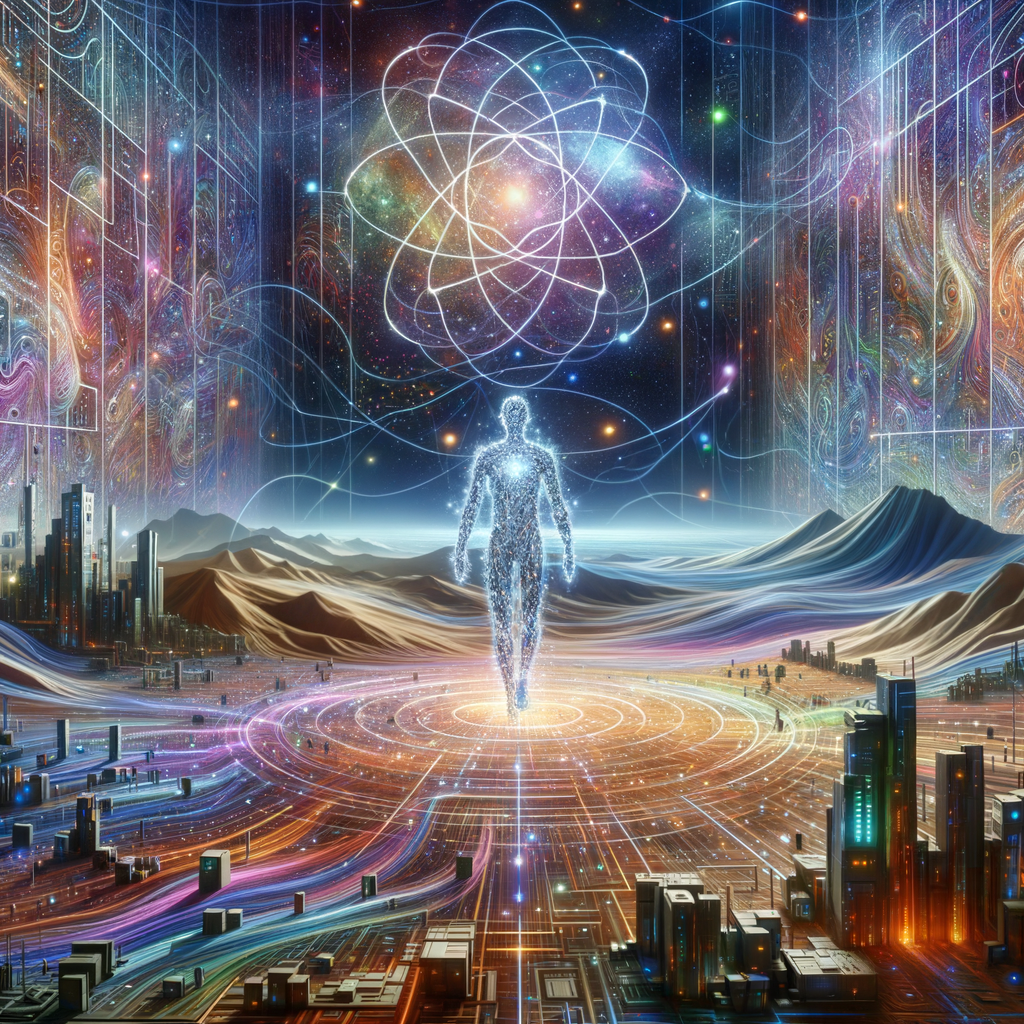
Beyond quantum mechanics, holography offers a transformative approach to data visualization and storage. Utilizing the principles of interference and diffraction, holograms can encode vast amounts of data into highly compact spaces. In QHAI, these holograms interface with neural networks to provide them with multidimensional data inputs, enriching machine learning models with greater context and detail. By integrating holographic representations, AI systems can access and visualize complex data relationships that are beyond the grasp of conventional linear models.
class HolographicDataSet:
    def __init__(self, data):
        self.hologram = self.generate_hologram(data)
    def generate_hologram(self, data):
        return holographic_transform(data)
Navigating the Startup Ecosystem: Challenges in Scaling Quantum Innovations.
The journey of establishing Quantum Holographic IQ (QHIQ) reflects the myriad challenges endemic to the emerging tech landscape. From securing venture capital to navigating regulatory hurdles, managing a startup in such a cutting-edge domain requires resilience and strategic foresight. A significant challenge is the steep learning curve associated with quantum technologies, which often necessitates specialized knowledge not only in engineering but also in quantum physics and advanced mathematics. Attracting talent and fostering innovation in this field can be particularly daunting, given the nascent stage of the QHAI industry.
Forecasting the Quantum Horizon: Future Prospects in QHAI.
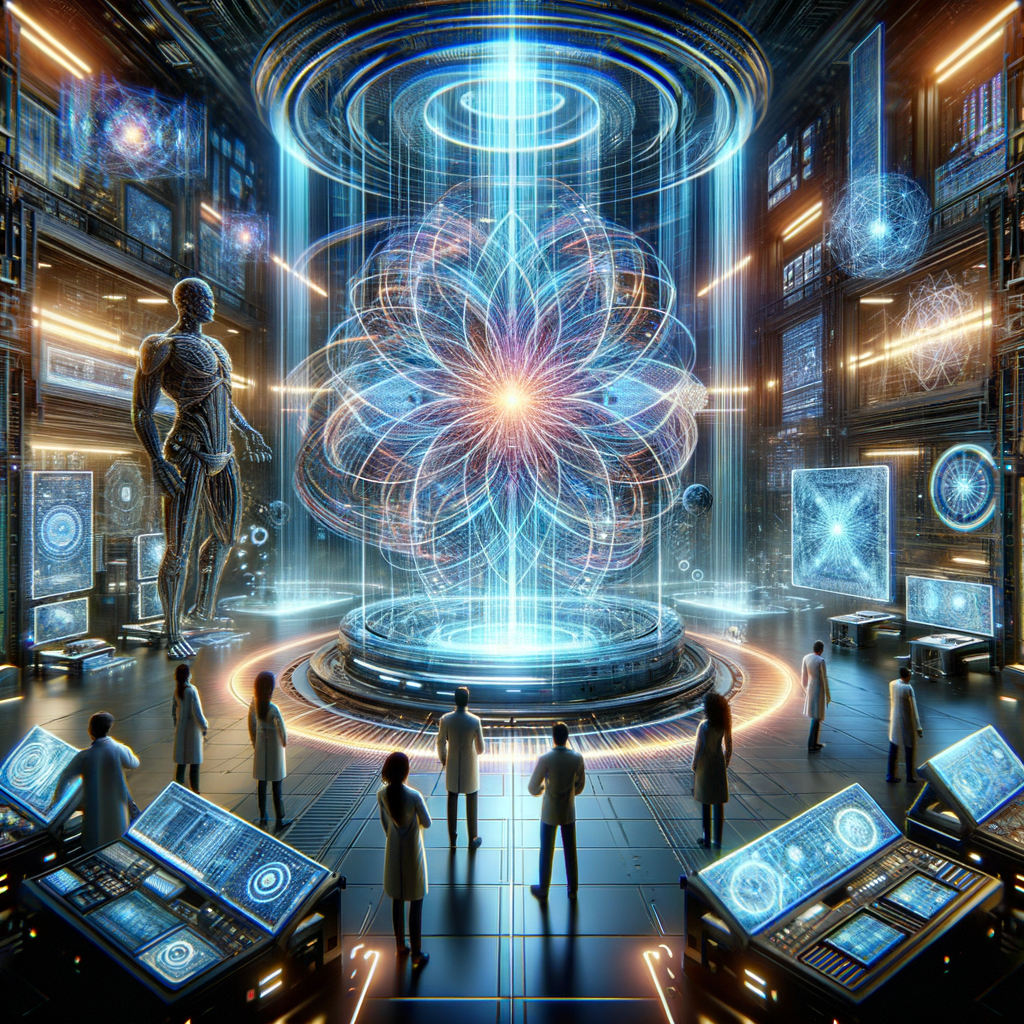
As QHAI technologies mature, they hold transformative implications across various sectors, from pharmaceuticals to cryptography. The unparalleled capabilities of QHAI could revolutionize drug discovery through accelerated simulations of molecular interactions, and safeguard communications with quantum encryption technologies. As Quantum Holographic IQ pushes the boundaries of research and application, the expectation is clear—QHAI will redefine the landscape of artificial intelligence, driving forward the digital transformation of industries worldwide.