© 2023 / 2024 - QHIQ
Exploring the Quantum Foundations of AI
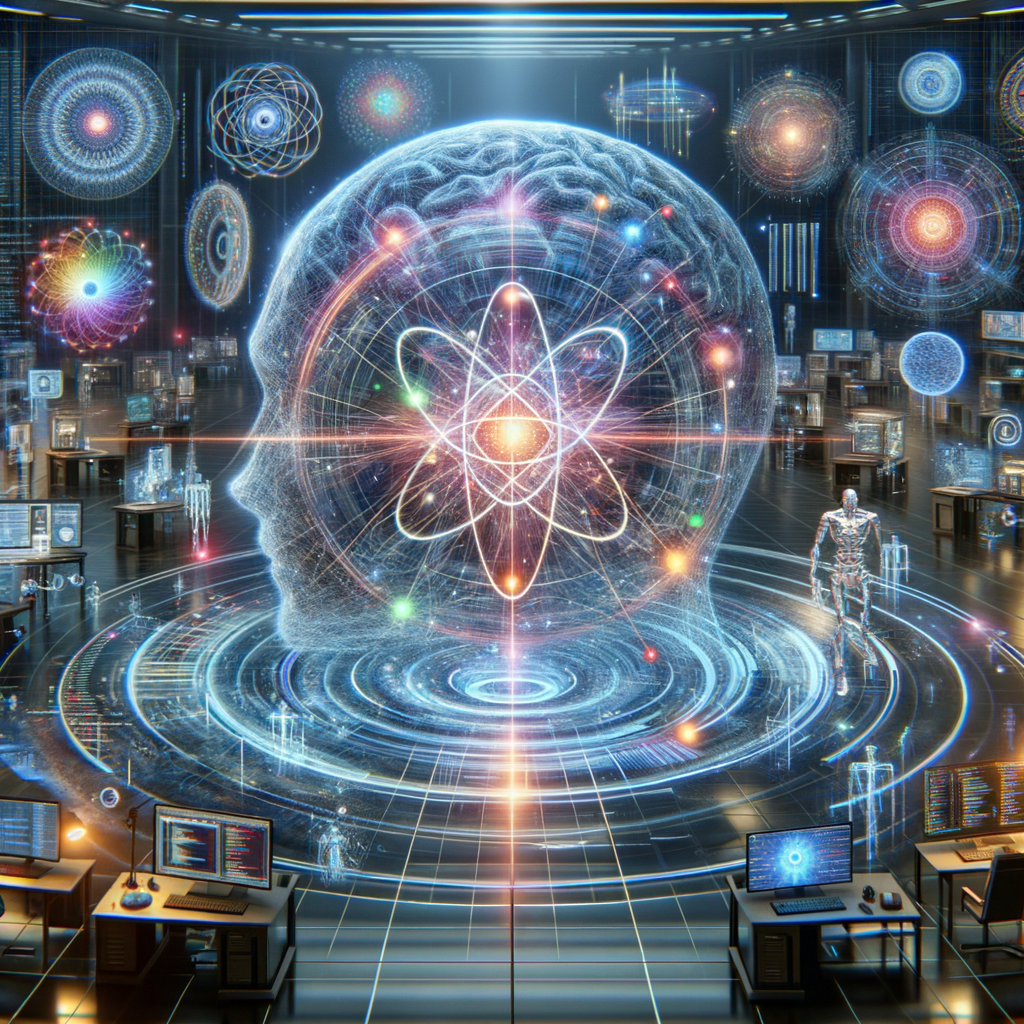
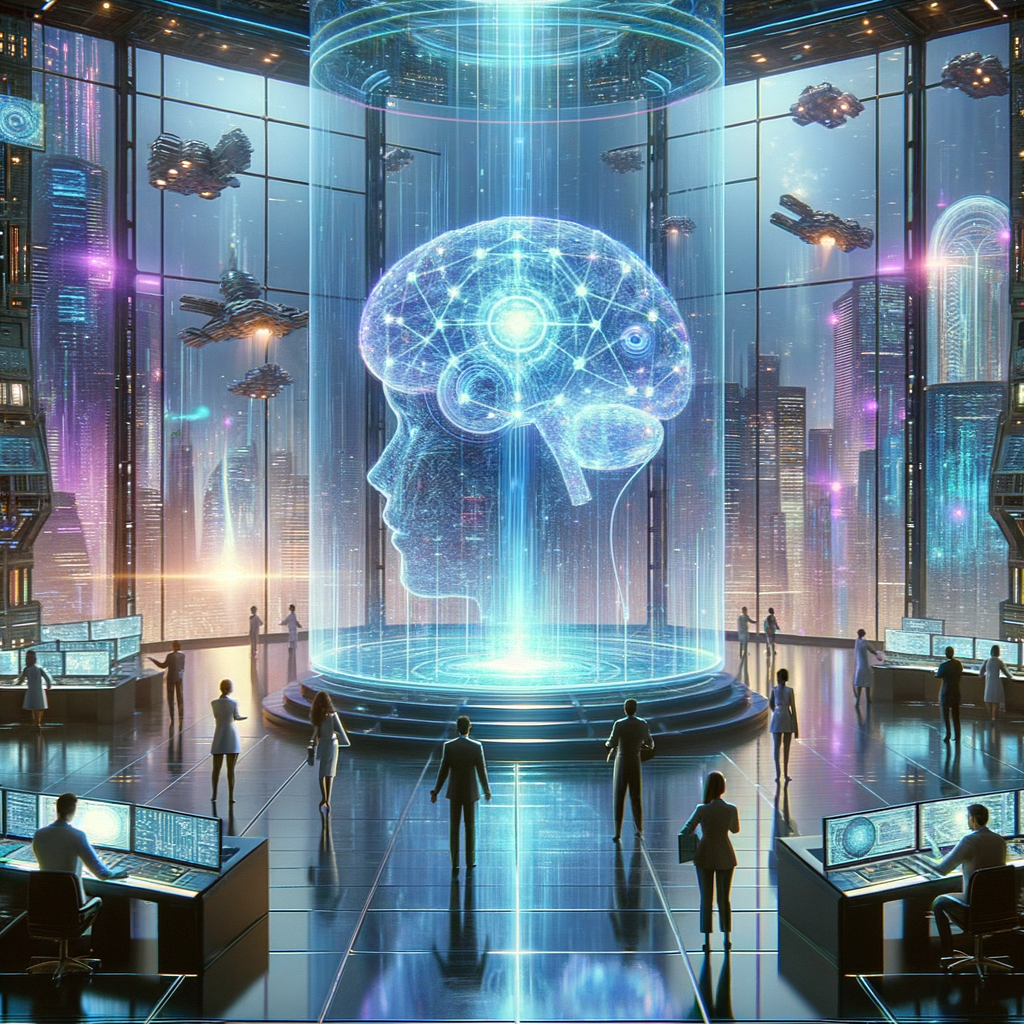
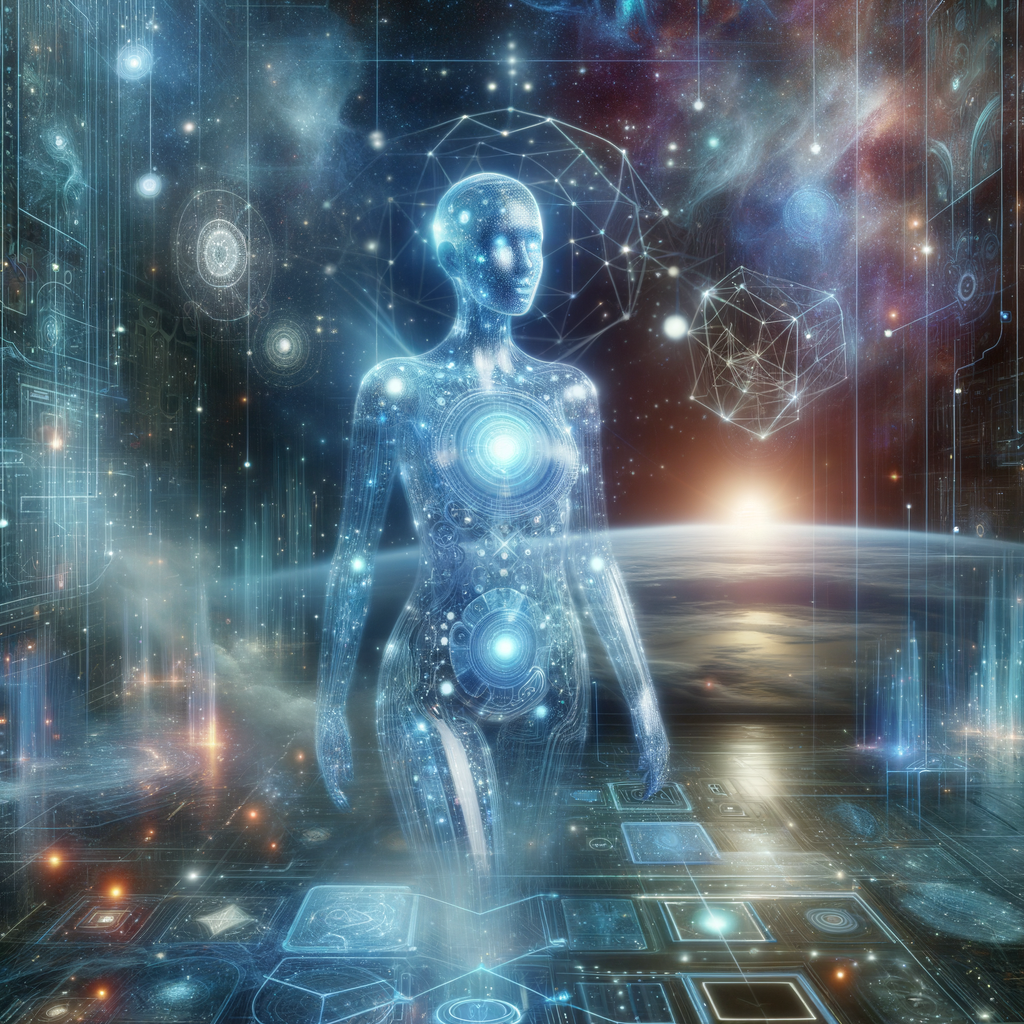
The concept of Quantic Holographic Artificial Intelligence stands at the intersection of quantum computing and holographic theory, proposing a paradigm shift in computational models. By leveraging quantum bits (qubits) and their ability to exist in superposition, quanta can process immense datasets at unprecedented speeds when compared to traditional binary systems. The integration of holographic theory allows information to be encoded within quantum fields, producing a holographic processor that can execute multidimensional computations.
Recent Breakthroughs in Quantum Algorithms
Recent advancements have been fueled by innovations in quantum algorithms such as Shor's and Grover's algorithms, which optimize factorization and search functions, respectively. These algorithms lay the groundwork for more complex functions tailored to holographic processors. By simulating neural pathways quantum-mechanically, researchers have achieved both speedup and efficiency in AI tasks previously deemed infeasible for classical computers. These improvements address foundational challenges in creating neural networks with vast and adaptable interconnected layers.
def quantum_factorization(n):
    """Execute Shor's algorithm for prime factorization."""
    # Placeholder for the actual quantum algorithm
    return "Factors determined by quantum processes"
The Challenge of Quantum Decoherence
Despite its potential, quantum coherence remains a significant challenge, where the fragile quantum states easily decohere due to environmental interference, leading to a loss in computational fidelity. Stability in operation requires advancements in quantum error correction and isolation of qubits, ensuring they maintain coherent states long enough to perform meaningful computations. Current approaches include quantum error correction codes, which aim to detect and rectify qubit errors without directly measuring the quantum state.
def apply_quantum_error_correction(qubit):
    """Application of error correction to maintain coherence."""
    # Implement theoretical error correction technique
    return "Error corrected"
Managing Innovation in an Emerging Tech Startup
In the competitive landscape of a startup, effectively managing rapid innovation is crucial. This is especially true in the field of quantic holographic AI where technological evolution occurs at breakneck speed. At QHIQ, creating a robust business model means balancing the exploratory nature of R&D with tangible outcomes that appeal to investors and early adopters. Persistence in innovation, when coupled with strategic partnerships and open-source collaborative initiatives, fosters a culture of sustained growth and adaptability.
The Future of Quantic Holographic AI
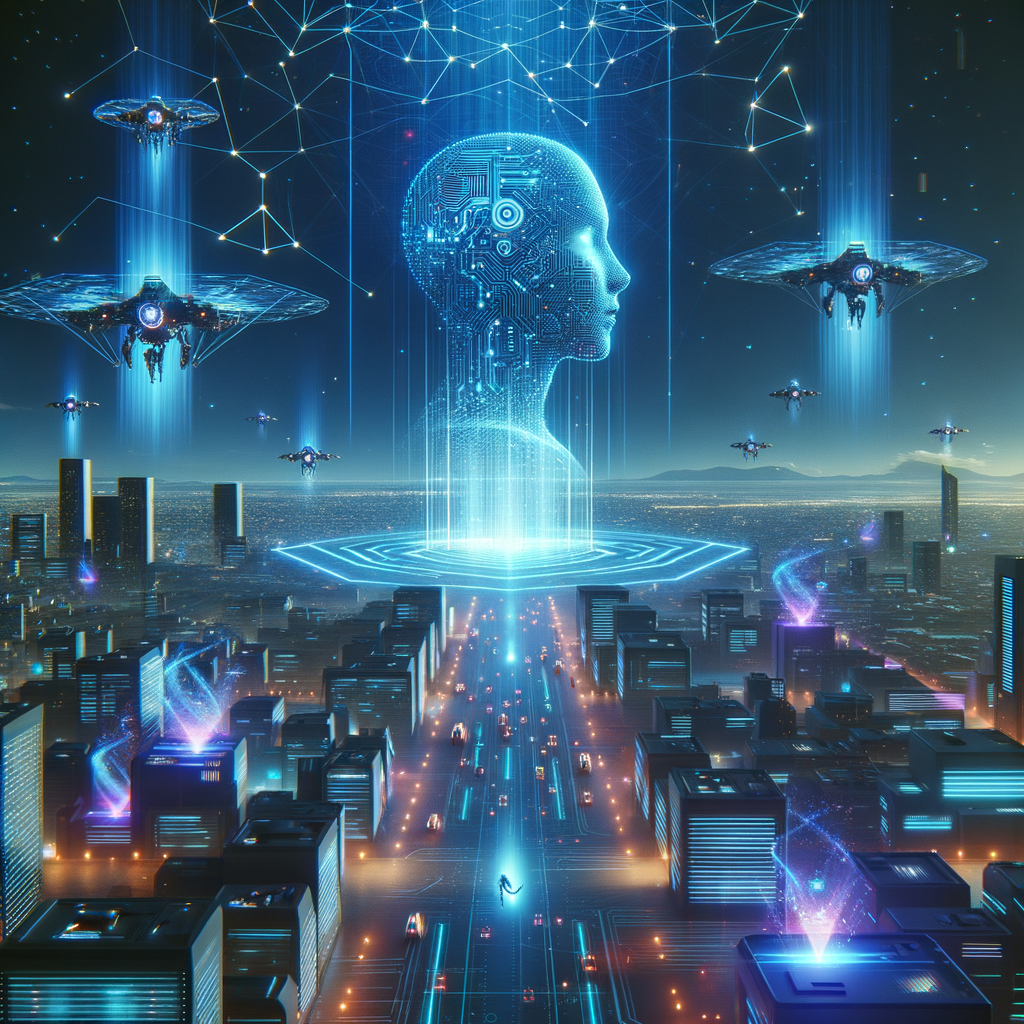
Looking to the future, quanta-based systems could redefine AI by enabling revolutionary advancements in fields ranging from pharmaceuticals to cryptography. The scalability potential of quantum networks suggests that we might soon be able to simulate complex systems with unprecedented precision. The integration of quantum entanglement will likely enhance data security and transmission efficiency. Continuous interdisciplinary research and public-private collaborations are pivotal in addressing existing barriers, ultimately leading to widespread commercial viable applications of Quantic Holographic AI.
def simulate_quantum_network(parameters):
    """Simulate a quantum network for complex system analysis."""
    # Placeholder for the simulation process
    return "Simulation results"