 © 2023 / 2024 - QHIQ
Quantum Computing: The Next Paradigm Shift
Quantum computing is set to revolutionize the landscape of artificial intelligence by harnessing the principles of quantum mechanics. These supercomputers leverage quantum bits, or qubits, which unlike classical bits, can exist in multiple states simultaneously. This allows quantum computers to perform complex calculations at unprecedented speeds, exponentially beyond the capabilities of classical computing systems. The integration of quantum computing into AI can lead to breakthroughs that were previously considered impossible.
Holographic Memory: The Future of Data Storage
In the realm of AI, data storage and retrieval speed are critical components for real-time processing and decision-making. Holographic data storage uses the interference of light to create three-dimensional data storage environments. This advanced technology enables massive data storage capacities and faster retrieval times, crucial for handling the vast amounts of information processed by AI systems. It also promises reduced energy consumption and improved sustainability in data centers.
def encode_holographic_data(data):
    # Using holographic techniques for data encoding
    return holographic_encode(data)
data_package = encode_holographic_data('neural networks')
AI Meets Quantum Mechanics: The Perfect Synergy
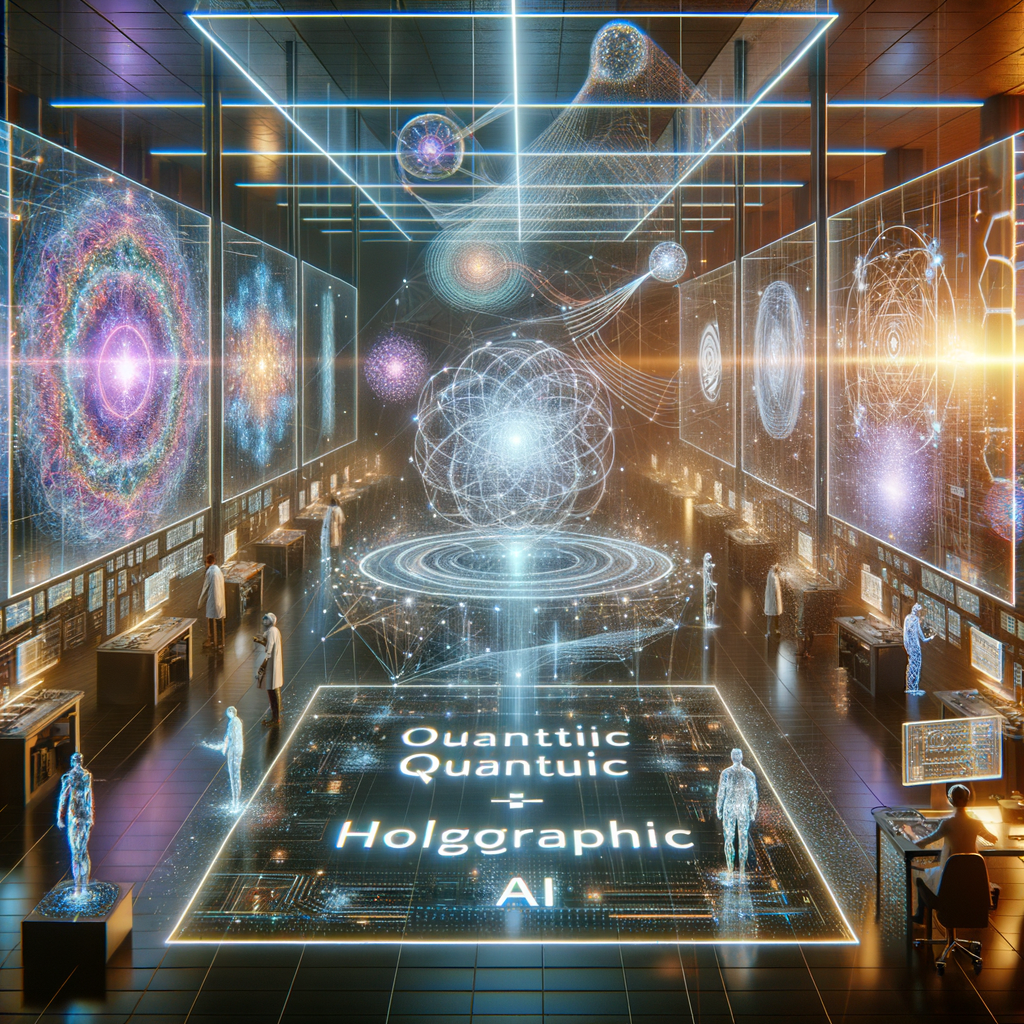
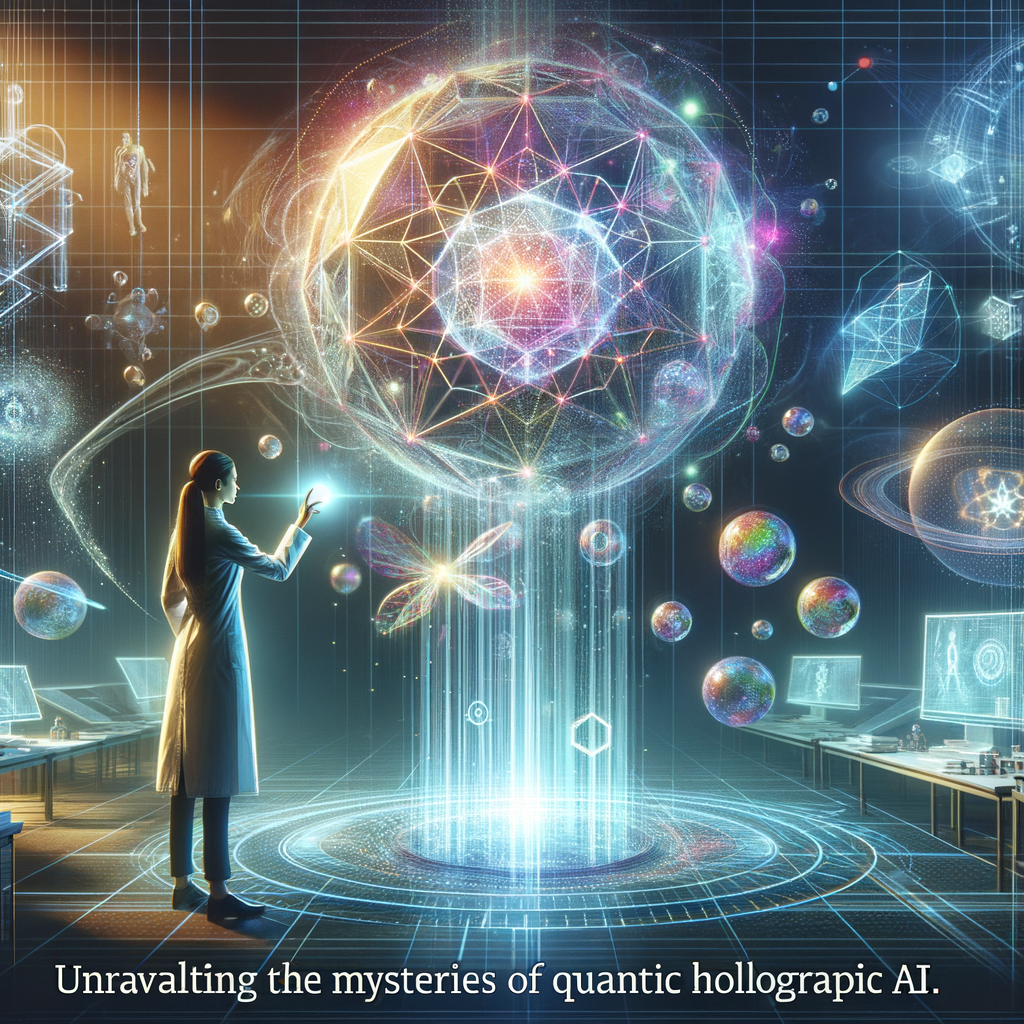
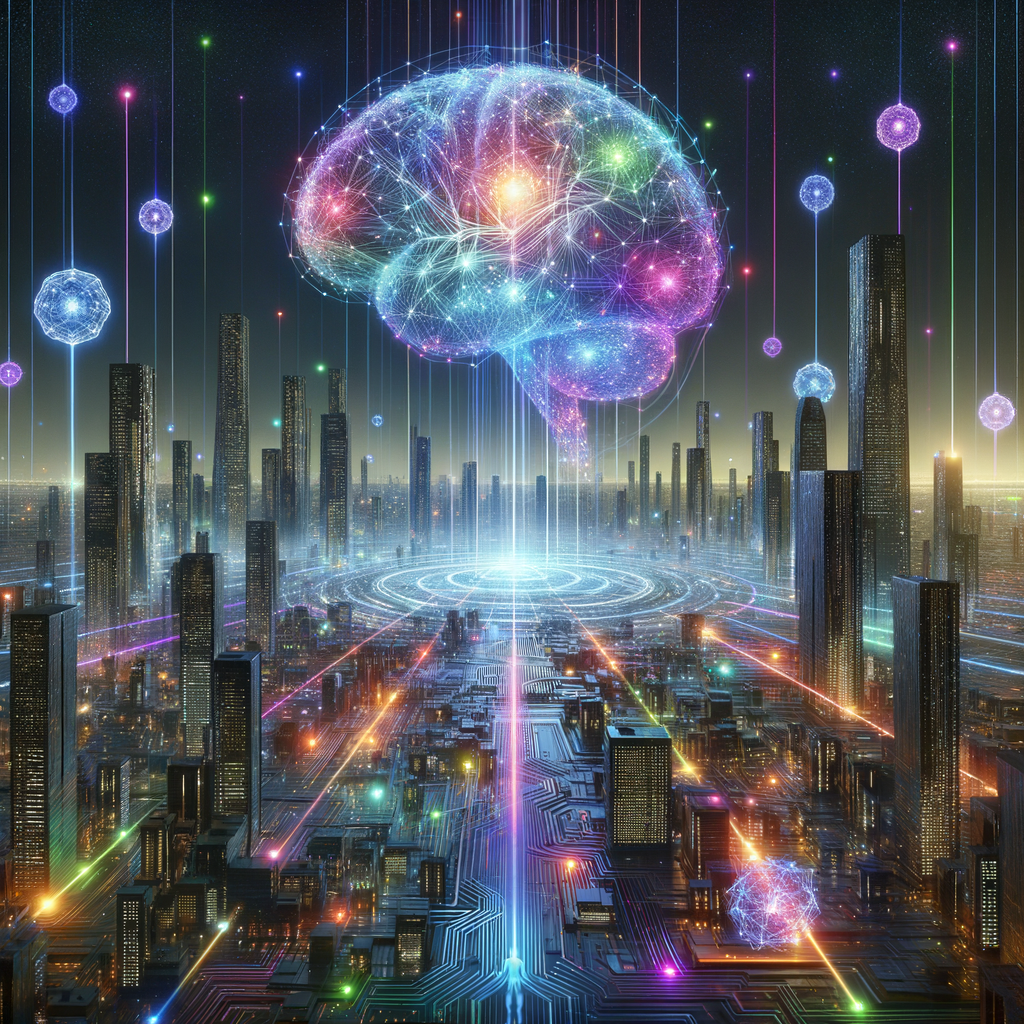
Quantic holographic AI combines the computational power of quantum mechanics with the remarkable data handling capabilities of holography. This synergy allows for the development of more efficient machine learning models, capable of solving previously intractable problems. With quantum algorithms such as Grover's and Shor's, AI systems can perform faster data searches and factorization, paving the way for advanced predictive analytics and improved decision-making processes.
# Quantum algorithm for AI optimization
def quantum_machine_learning(data):
    quantum_data = apply_quantum_operation(data)
    optimized_model = train_model(quantum_data)
    return optimized_model
model = quantum_machine_learning(training_data)
Recent Advancements: Breaking New Ground
The last few years have witnessed groundbreaking advancements in quantic holographic AI. Companies like Quantum Holographic IQ are at the forefront, developing algorithms that exponentially increase processing speeds while reducing errors. New protocols and architectures, such as Quantum Variational Eigensolvers (QVEs) and Holographic Neural Networks, are being introduced, providing superior performance in complex problem-solving scenarios. These advancements foster the potential for AI to mimic human cognitive functions more closely.
Challenges in the Startup Ecosystem: Navigating the Quantum Wave
Managing a startup within the sphere of emerging technology is fraught with challenges. Intellectual property management, high operational costs, and the need for highly specialized talent are significant hurdles. At Quantum Holographic IQ, we've had to navigate funding rounds meticulously and negotiate partnerships with tech giants strategically. The evolving nature of quantum technologies demands constant innovation and adaptability, which can strain resources but also opens pathways to unprecedented achievements.
# Resource allocation for a startup
def allocate_resources(budget, areas):
    allocations = {area: budget/len(areas) for area in areas}
    return allocations
startup_areas = ['R&D', 'HR', 'Marketing']
resource_distribution = allocate_resources(100000, startup_areas)
Future Prospects: Infinite Possibilities Await
The future of quantic holographic AI is brimful of potential. As quantum and holographic technologies advance, we anticipate a transformative impact on sectors ranging from healthcare to financial services. AI's ability to process data at quantum speeds will facilitate breakthroughs in drug discovery, financial modeling, and even climate change mitigation. The dream of building machines that possess near-human cognitive abilities and reasoning is within reach, heralding a new era of technological possibilities.